

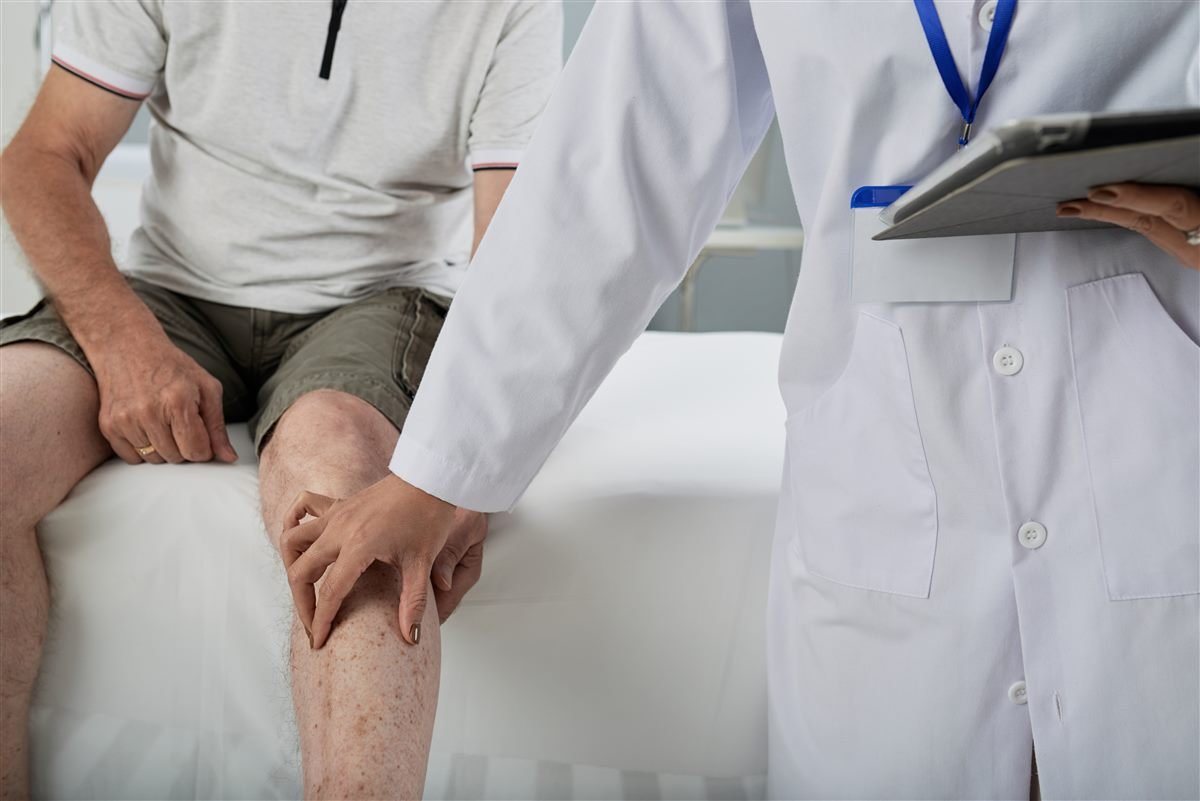
Knee pain can make even the simplest daily activities difficult. Walking, climbing stairs, standing for long periods, or enjoying your favorite activities may become challenging when your knee joint is severely damaged. While medications, physiotherapy, and lifestyle modifications can help manage symptoms in the early stages, they may not always provide long-term relief. In such cases, Knee Replacement in Pathankot can be an effective solution for restoring mobility and improving quality of life.
Knowing when to consider knee replacement surgery is important. Here are seven common signs that indicate it may be time to consult an orthopedic specialist.
1. Persistent Knee Pain That Interferes with Daily Life
One of the most significant signs that you may need a knee replacement is chronic knee pain that does not improve with conservative treatments. If you experience pain while walking, standing, sitting, or even resting, it may indicate advanced damage to the knee joint.
Many people initially ignore knee pain, hoping it will improve on its own. However, when pain starts affecting your ability to perform everyday tasks, it is important to seek professional evaluation. Patients considering knee replacement in Pathankot often report pain that has persisted for months or even years despite trying multiple treatment options.
2. Difficulty Walking and Climbing Stairs
Healthy knees allow smooth and comfortable movement. When arthritis or joint damage becomes severe, even short walks can become painful. Climbing stairs, getting out of a chair, or walking on uneven surfaces may feel increasingly difficult.
If you find yourself avoiding physical activities due to knee pain or depending on support from railings and family members, your mobility may be significantly compromised. An orthopedic surgeon can assess whether knee replacement surgery is the best option for restoring movement and independence.
3. Severe Knee Stiffness
Stiffness is a common symptom of knee arthritis. However, severe stiffness that limits your ability to bend or straighten the knee is often a warning sign of advanced joint degeneration.
Many patients experience stiffness after waking up in the morning or after sitting for extended periods. When the stiffness becomes persistent and affects daily activities, it may indicate that the cartilage within the knee joint has worn away significantly. In such situations, knee replacement in Pathankot may help restore flexibility and improve joint function.
4. Constant Swelling and Inflammation
Occasional swelling after physical activity is normal, but chronic swelling should not be ignored. Persistent inflammation may indicate ongoing damage within the knee joint.
If your knee remains swollen despite rest, medication, ice therapy, and physiotherapy, it may be a sign that the joint is severely affected by arthritis or other degenerative conditions. Long-term swelling often contributes to pain, stiffness, and reduced mobility, making everyday activities more difficult.
5. Knee Pain Is Affecting Your Sleep
Pain that continues throughout the night is often a sign of advanced knee problems. Many individuals with severe arthritis struggle to find a comfortable sleeping position because of persistent discomfort.
Interrupted sleep can negatively impact physical health, emotional well-being, and overall quality of life. If knee pain frequently wakes you up or prevents you from getting adequate rest, it may be time to discuss surgical treatment options with an orthopedic specialist in Pathankot.
6. Non-Surgical Treatments No Longer Provide Relief
Before recommending surgery, doctors typically explore conservative treatment options such as:
- Pain-relieving medications
- Physiotherapy
- Weight management programs
- Knee braces
- Joint injections
- Activity modifications
While these treatments can be highly effective in the early stages of knee arthritis, they may become less effective as the condition progresses. If you have tried multiple non-surgical treatments without significant improvement, it could indicate that the joint damage has reached a stage where knee replacement surgery is the most suitable solution.
Many patients who undergo knee replacement in Pathankot do so after exhausting various non-surgical treatment methods.
7. Knee Deformity or Instability
As arthritis advances, the knee joint may gradually lose its normal alignment. Some individuals develop bow-legged or knock-kneed deformities, while others experience instability and feel as though their knee may give way while walking.
Joint instability can increase the risk of falls and injuries. Visible changes in knee alignment or recurring episodes of instability are strong indicators that the joint has sustained significant damage. Knee replacement surgery can help restore alignment, stability, and overall function.
Benefits of Knee Replacement Surgery
Modern knee replacement techniques have helped many people return to active and more comfortable lives. Some of the major benefits include:
- Significant reduction in knee pain
- Improved mobility and flexibility
- Better joint stability
- Increased independence in daily activities
- Enhanced quality of life
- Improved ability to participate in physical activities
With advancements in surgical technology and rehabilitation programs, recovery outcomes are better than ever before.
When Should You Consult an Orthopedic Specialist?
If knee pain is preventing you from living comfortably, seeking medical advice early is essential. An experienced orthopedic specialist can evaluate your condition through a physical examination, imaging studies, and a detailed review of your symptoms.
Early diagnosis can help determine whether conservative treatment is still appropriate or whether knee replacement in Pathankot is the best option for achieving long-term relief and improved mobility.
Conclusion
Living with chronic knee pain can significantly affect your quality of life, but you do not have to suffer indefinitely. Persistent pain, stiffness, swelling, sleep disturbances, reduced mobility, failure of non-surgical treatments, and knee instability are all signs that it may be time to consider knee replacement in Pathankot.
Consulting an experienced orthopedic surgeon can help you understand your treatment options and take the first step toward a more active, comfortable, and pain-free future. With the right care and timely intervention, knee replacement surgery can help you regain confidence, mobility, and independence.
Need expert orthopedic advice? Contact Salhotra Hospital or call +91 9888829779 to book a consultation.